February 2026
5000 Years of Compute & Design Co-Evolution
Epochs, affordances, and the artifacts they unlock
Ever since the bronze age, our ability to compute has allowed us to make ever more intricate and precise artifacts. The Minoans used templates and cord-and-stake layouts to produce repeatable shapes without formal calculation—wheels, planked boats, megalithic lintels—all forms reproducible by copying, with scale limited only by timber and stone.
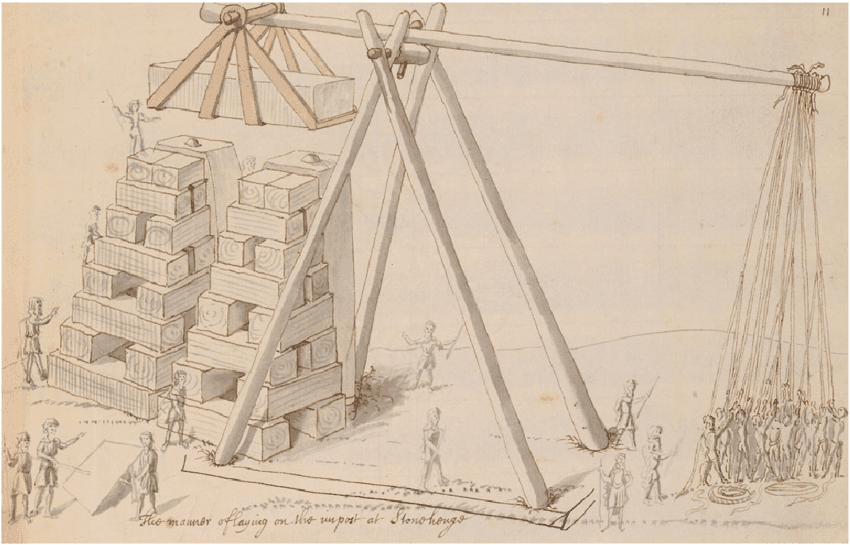
Megalithic construction: templates enabled repeatable forms without formal calculation
Classical antiquity brought Euclidean geometry and Archimedean statics. The Romans used triangulation and surveying to design arches, domes, and aqueduct gradients—geometry ensured fit, and empirical factors covered loads and water flow.
Renaissance architects developed linear perspective and scaled drawings, enabling ribbed masonry domes and complex fortifications. The drawing became a contract—a faithful projection of 3-D intent that could coordinate hundreds of craftsmen.
The Enlightenment & Industrial Revolutions
Post-Enlightenment developments in calculus, analytical mechanics, and beam theory made quantitative prediction possible. Iron bridge design coincided with stress and deflection theory—analysis supported longer spans, higher pressures, and greater reliability.
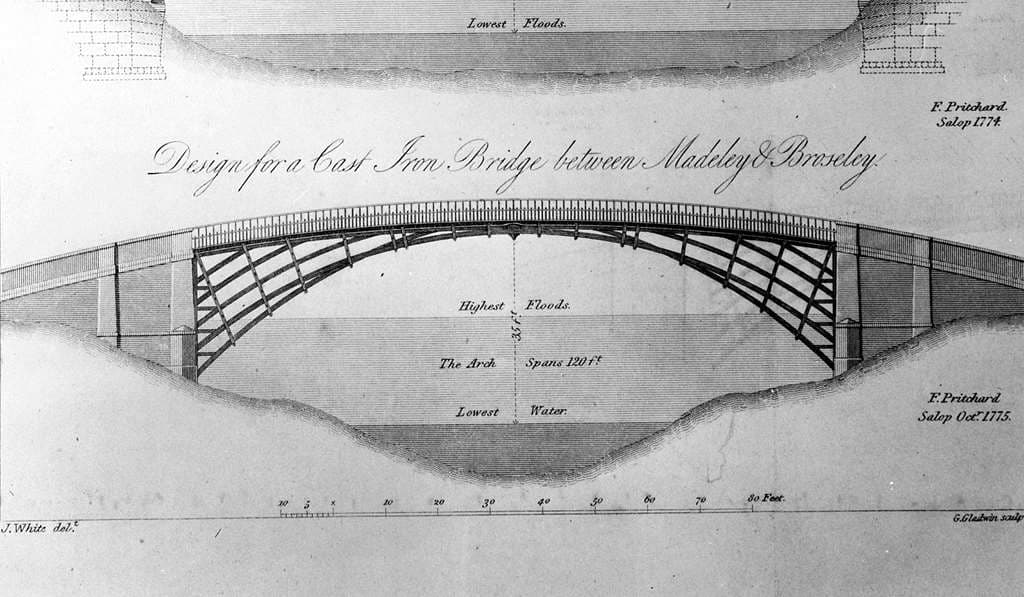
Design for a Cast Iron Bridge between Madeley & Broseley, F. Pritchard, 1775
The late 19th-century formalization of thermodynamics and Maxwellian electromagnetism sparked turbogenerators, radio, telephony, and refrigeration. Energy conversion, fields, and feedback could finally be designed rather than discovered by trial and error.
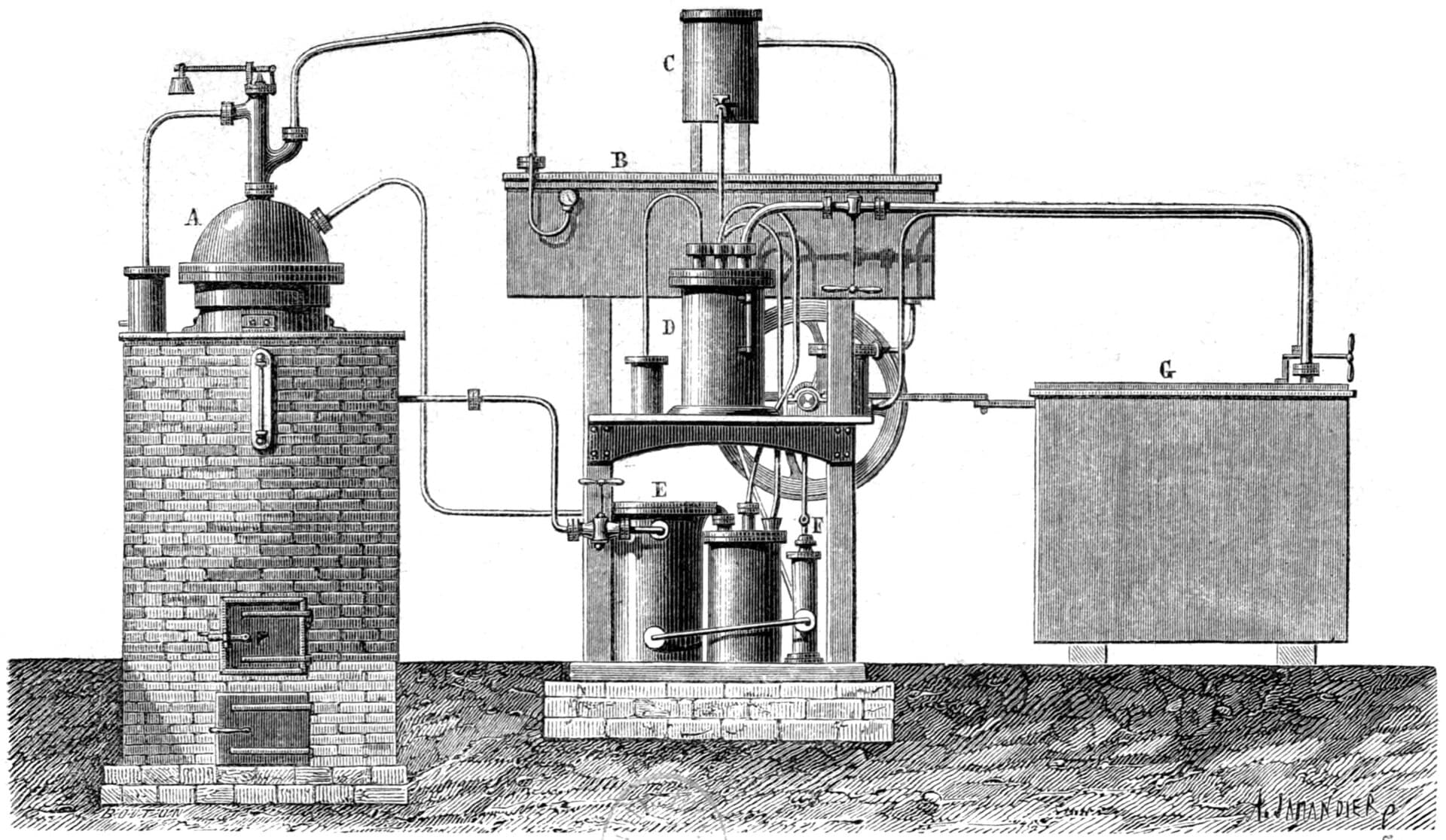
Ferdinand Carré's absorption refrigeration machine, c. 1860
20th Century: From Wind Tunnels to Silicon
Wind-tunnel data and boundary-layer theory produced all-metal aircraft and stressed-skin structures. Data and optimization began to close the loop between experiment and design.
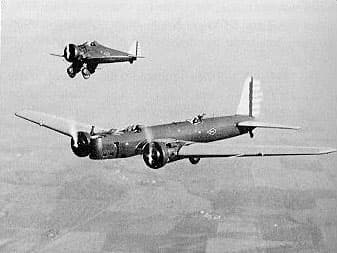
All-metal aircraft: boundary-layer theory and wind-tunnel data made stressed-skin structures feasible
Post-war digital computing and systems engineering made Apollo-scale projects tractable. For the first time, engineers could simulate transients and synthesize controllers—system-level tradeoffs became computable.

Apollo: digital computing made system-level tradeoffs tractable
FEM, CFD, NASTRAN, and interactive CAD arrived in the 1960s–80s. Shapes could now follow stresses, not just manufacturability. Wide-body airframes, composite laminates, and turbomachinery all became possible because arbitrary geometry and load cases could be analyzed computationally.
The CAD/PLM and EDA/VLSI era of the 1980s–2000s brought versioned product definitions and yield-aware microfabrication—billions of toleranced features coordinated across global supply chains.
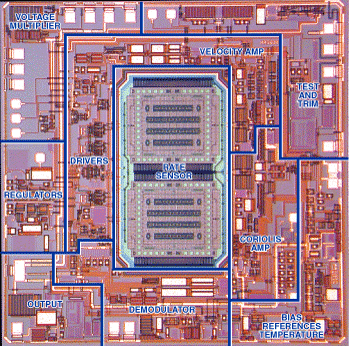
MEMS gyroscope: billions of toleranced features, coordinated across a supply chain
Contemporary
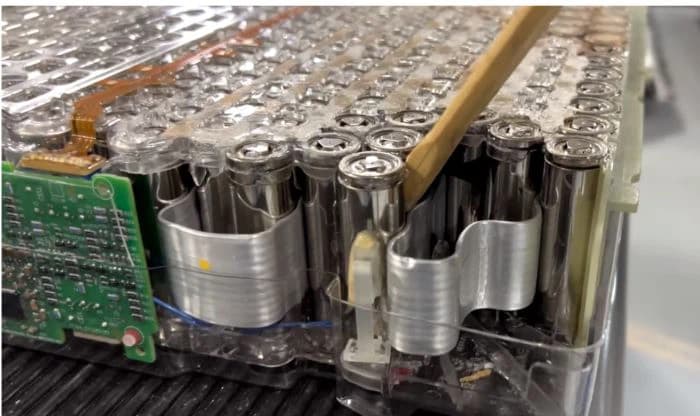
Tesla Battery Pack
The Tesla Model S serpentine-tube battery pack
Integrated Design-Exploration Dashboards (STAR-CCM+, 2016–20)
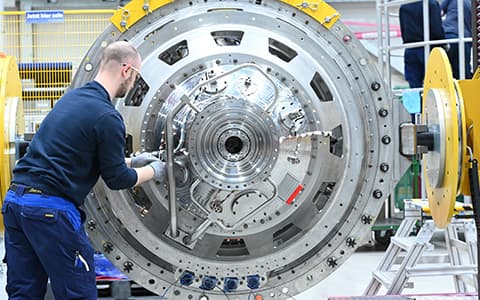
Rolls-Royce UltraFan power-gearbox